Sinclair Method Studies
This article examines the scientific foundation behind TSM, drawing on nearly three decades of peer‑reviewed trials, neuroimaging research, and systematic reviews.

We use cookies to keep this site running smoothly and, if you agree, to help us improve it and our marketing. Privacy policy

This article examines the scientific foundation behind TSM, drawing on nearly three decades of peer‑reviewed trials, neuroimaging research, and systematic reviews.
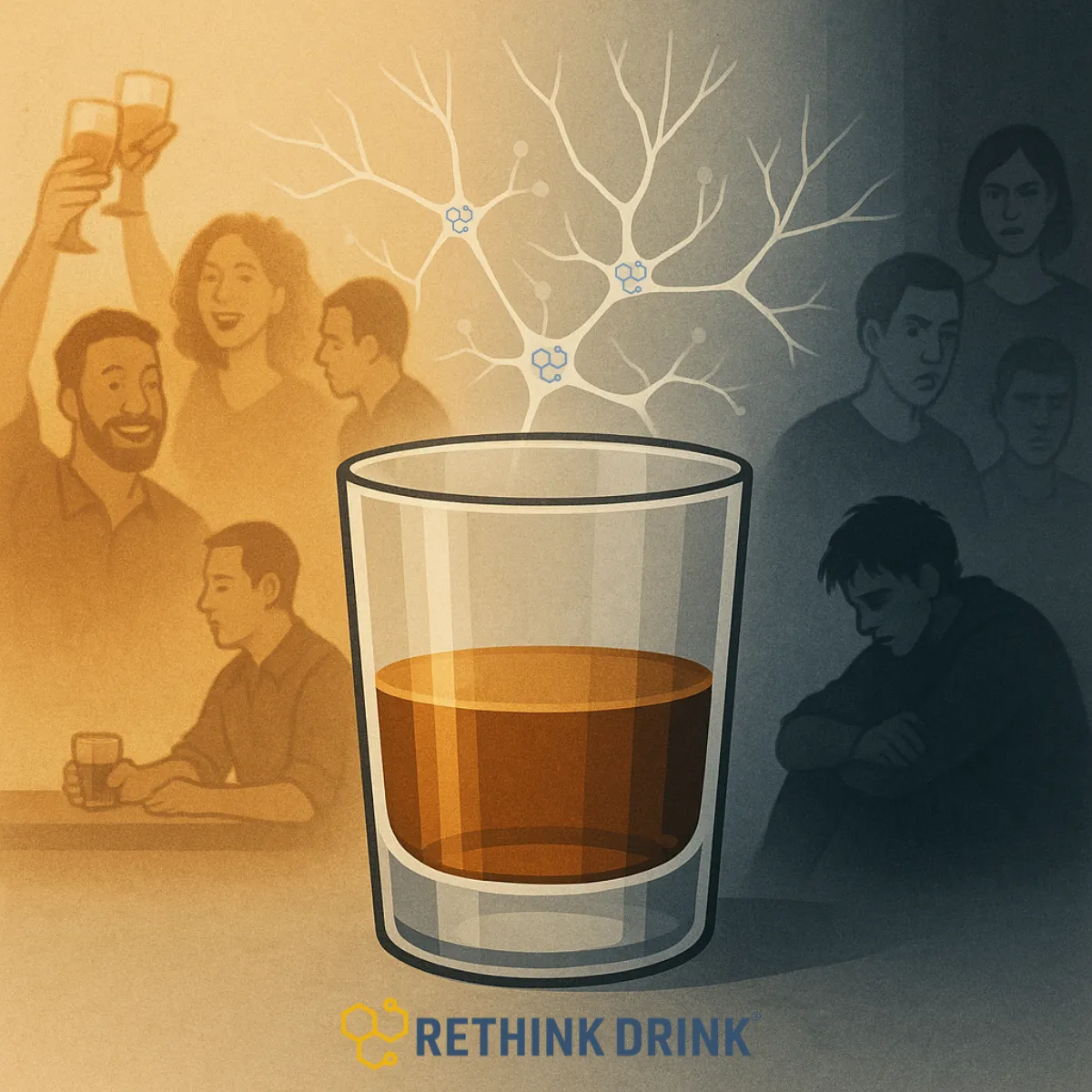
Society has a complicated relationship with alcohol. It’s celebrated, normalised; woven into nearly every occasion: births, business meetings, dates, parties. Yet when someone develops a problem with the same substance - reaction changes completely.
Rethink Drink’s Trustpilot page features many verified reviews from clients who’ve experienced life-changing results. Ranging from liberation from daily drinking to newfound confidence, the feedback reflects genuine transformation through the Sinclair Method.

The Sinclair Method (TSM) is an approach to alcohol dependence that does not demand abstinence from day one. It uses naltrexone, a prescribed medication that blocks the pleasure response triggered by drinking.

Cutting back on alcohol doesn’t have to mean going cold turkey. In fact, a gradual reduction approach offers a more sustainable and less stressful way to improve health. By slowly lowering alcohol intake, the body and mind can adjust over time.

The Sinclair Method (TSM) is a scientifically backed approach to treating alcohol use disorder (AUD) through pharmacological extinction. It involves taking the medication Naltrexone before drinking, which gradually reduces cravings and the desire for alcohol over time. Unlike traditional abstinence-based methods, TSM allows individuals to continue drinking in a controlled manner, aiming to retrain the brain’s reward system.
In this blog post, we will explore these differences in detail and highlight the key components of each approach. The Sinclair Method vs Abstinence for alcohol addiction
The Sunday Reset
Every Sunday, we share a 2-minute insight into the logic of the Sinclair Method.
Join thousands of others for our weekly newsletter and change how you see the problem,
because when you change the way you look at things, the things you look at change.
… There’s a reason we’re called Rethink Drink!
